The Rise of Smart Manufacturing and Robotics
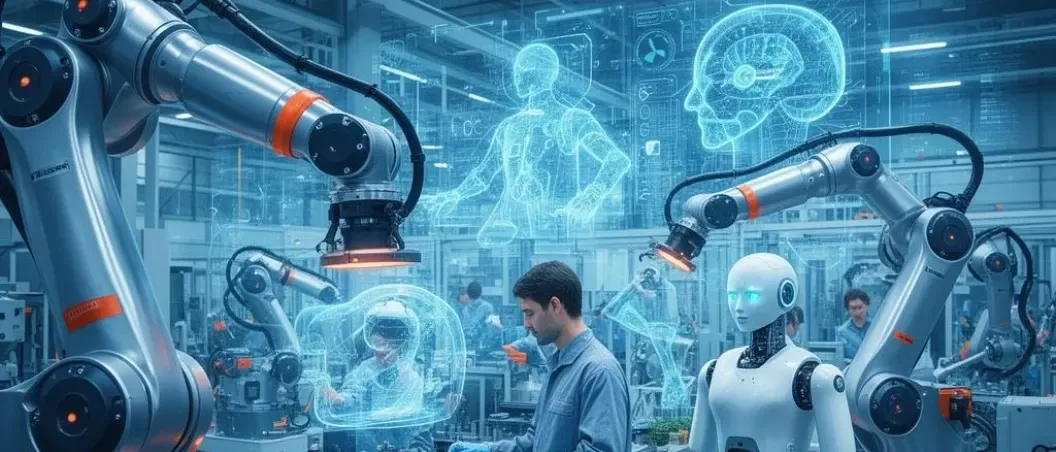
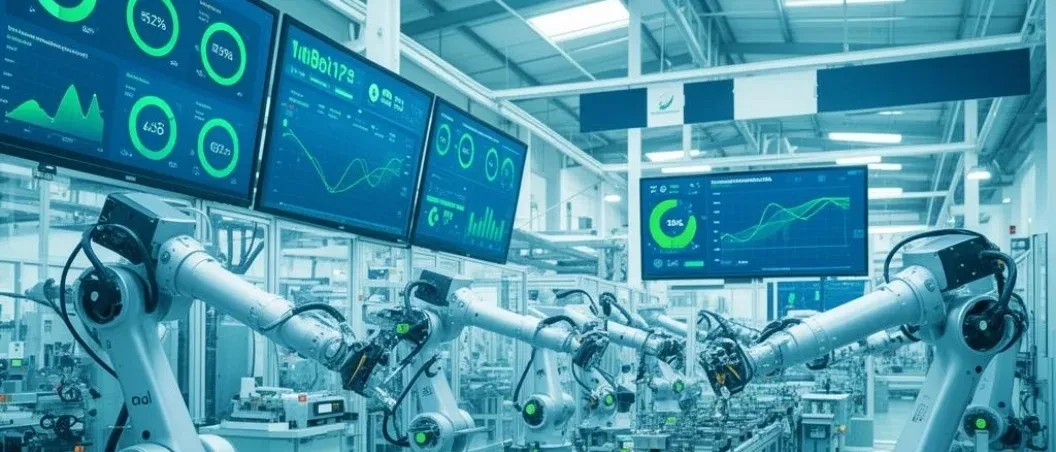
The manufacturing sector is experiencing a seismic shift, driven by the adoption of Industry 4.0 technologies-robotics, artificial intelligence (AI), machine learning, and the Industrial Internet of Things (IIoT). These innovations are not just automating repetitive tasks; they are enabling smart factories that are more efficient, flexible, and responsive to market demands.
- The global robotics market is projected to reach $67.4 billion by 2025.
- Over 555,000 industrial robots are expected to be installed worldwide in 2025, up from 541,000 in 2023.
- Collaborative robots (cobots) now make up over 11% of new industrial robot installations in North America, with even higher adoption in sectors like life sciences and food processing.
These trends underscore a clear message: robotics are no longer optional-they are essential for manufacturers aiming to thrive in a rapidly evolving industry.
How Robotics Drive Productivity in Manufacturing
Boosting Output and Efficiency
Robotic automation delivers tangible improvements in production output and process efficiency:
Manufacturers implementing smart technologies report a 10–20% increase in production output and a 7–20% boost in employee productivity.
Robotics and automation can reduce cycle times, optimize workflows, and minimize manual intervention, leading to higher throughput and unlocked capacity.
Key productivity benefits include:
- Faster production cycles: Robots operate continuously and at high speeds, eliminating bottlenecks.
- Reduced downtime: Predictive maintenance powered by AI minimizes unplanned stoppages.
- Optimized resource utilization: Intelligent scheduling and real-time monitoring ensure machines and labor are used efficiently.
Real-World Impact
- Bosch leveraged Industry 4.0 solutions to achieve a 25% increase in productivity and a 30% decrease in maintenance costs.
- Harley-Davidson reduced its build-to-order cycle from 21 days to just 6 hours by integrating IoT and advanced analytics.
These examples highlight how robotics and smart manufacturing technologies can unlock new levels of operational excellence.
Enhancing Quality Through Robotic Precision
Consistency and Error Reduction
One of the most significant advantages of robotics is their ability to deliver unmatched precision and consistency:
- Robots can achieve accuracy levels as fine as 0.5mm or less, making them ideal for intricate assembly and quality-critical tasks.
- Automated systems have been shown to reduce defect rates by over 30% and lower quality costs by 20% or more.
How robotics improve quality:
- First Pass Yield (FPY): Automated inspection and process control increase FPY, reducing rework and waste.
- Real-time quality monitoring: AI-powered vision systems detect microscopic defects, ensuring only top-quality products reach customers.
- Compliance and traceability: Robots generate audit-ready data, supporting regulatory compliance in industries like automotive and aerospace.
Case Study: Siemens
Siemens' AI-powered smart factories have reduced production defects by over 20%, demonstrating the power of robotics and AI in enhancing both efficiency and product quality.
Key Performance Indicators (KPIs) Improved by Robotics
KPI Impact of Robotics Benefit
Production Throughput Increased Higher output, optimized efficiency
First Pass Yield Improved Better quality, less waste
Cycle Time Reduced Faster production, improved agility
Defect Rate Decreased Enhanced product quality
Downtime Percentage Minimized Increased operational efficiency
Economic and Workforce Benefits
Long-Term ROI and Cost Savings
While the initial investment in robotics can be significant, the long-term return on investment (ROI) is compelling:
- Robotic process automation (RPA) can deliver 30% to 200% ROI in the first year.
- AI-powered robots reduce production costs by 25% and increase quality by 30%.
- The global robotics market is expected to reach $176.8 billion by 2025, with industrial robots leading the way.
Workforce Transformation
Robotics are not just replacing jobs-they are transforming the workforce:
By 2030, automation is expected to displace 92 million jobs but create 170 million new roles, resulting in a net gain of 78 million jobs globally.
There are now 126 robots for every 10,000 manufacturing workers worldwide, up from 65 in 2015.
New roles are emerging in robotics maintenance, programming, and data analysis, requiring upskilling and continuous learning.
Manufacturers that invest in workforce development and upskilling are better positioned to harness the full potential of smart manufacturing.
AI, Machine Learning, and the Future of Smart Factories
Predictive Maintenance and Performance Optimization
AI and machine learning are revolutionizing how manufacturers manage assets and optimize performance:
- Predictive maintenance uses AI to detect potential machine failures before they occur, reducing unplanned downtime by up to 50%.
- Performance optimization leverages real-time data to adjust production schedules, minimize waste, and maximize output.
Digital Twins and IoT Integration
- Digital twins-virtual replicas of physical systems-enable manufacturers to simulate, monitor, and optimize processes, leading to energy savings and efficiency gains.
- IoT integration connects machines, sensors, and analytics platforms, providing real-time visibility and control across the factory floor.
Sustainability and Environmental Impact
Smart manufacturing technologies contribute to sustainable production by:
- Reducing energy consumption and waste.
- Enabling precise material usage and efficient resource allocation.
- Supporting companies in meeting environmental and regulatory goals.
Overcoming Challenges in Robotic Adoption
Despite the clear benefits, manufacturers face several challenges when implementing robotics:
- Complex transformations: Integrating new technologies with legacy systems can be difficult.
- Operational risks: Ensuring cybersecurity and data integrity is critical.
- Talent shortages: The need for skilled workers in robotics and automation is growing.
Successful adoption requires a strategic approach:
- Invest in core technologies and data analytics.
- Prioritize workforce upskilling and change management.
- Build dedicated teams to drive transformation and manage risk.
Frequently Asked Questions About Robotics in Smart Manufacturing
What types of robots are used in manufacturing?
- Articulated robots: High precision, used for tasks like welding, painting, and assembly.
- Collaborative robots (cobots): Designed to work safely alongside humans.
- Autonomous mobile robots (AMRs): Handle material transport and warehouse operations.
- SCARA and delta robots: Ideal for high-speed pick-and-place tasks.
How do robotics improve safety in manufacturing?
- Robots take on hazardous, repetitive, or ergonomically challenging tasks, reducing workplace injuries.
- AI-enabled robots have reduced factory accidents by up to 25%.
What is the ROI timeline for robotics investments?
- Many manufacturers see a positive ROI within the first year, with ongoing gains in productivity, quality, and cost savings.
Will robots replace human workers?
- While some roles may be automated, robotics are creating new opportunities in programming, maintenance, and data analysis.
- The net effect is job transformation, not elimination, with a strong emphasis on upskilling.
The Path Forward: Building a Smarter, More Competitive Factory
Smart manufacturing powered by robotics is no longer a vision of the future-it's a present-day reality delivering measurable gains in productivity, quality, and competitiveness. Companies that embrace these technologies are better equipped to navigate economic pressures, labor shortages, and shifting customer demands.
At Axton Robotics, we help manufacturers unlock the full potential of smart manufacturing with advanced robotics solutions tailored to your unique needs. Whether you're looking to boost output, enhance quality, or future-proof your operations, our expertise and cutting-edge technologies can help you achieve your goals.
Ready to transform your manufacturing operations? Discover how Axton Robotics can help you build a smarter, more resilient, and more profitable factory for the future.